Australia
 Brazil
 China
China Croatia
 Europe
 France
 Germany
 Italy
Italy Japan
Japan Latin America
 Netherlands
 Spain
Spain Turkey

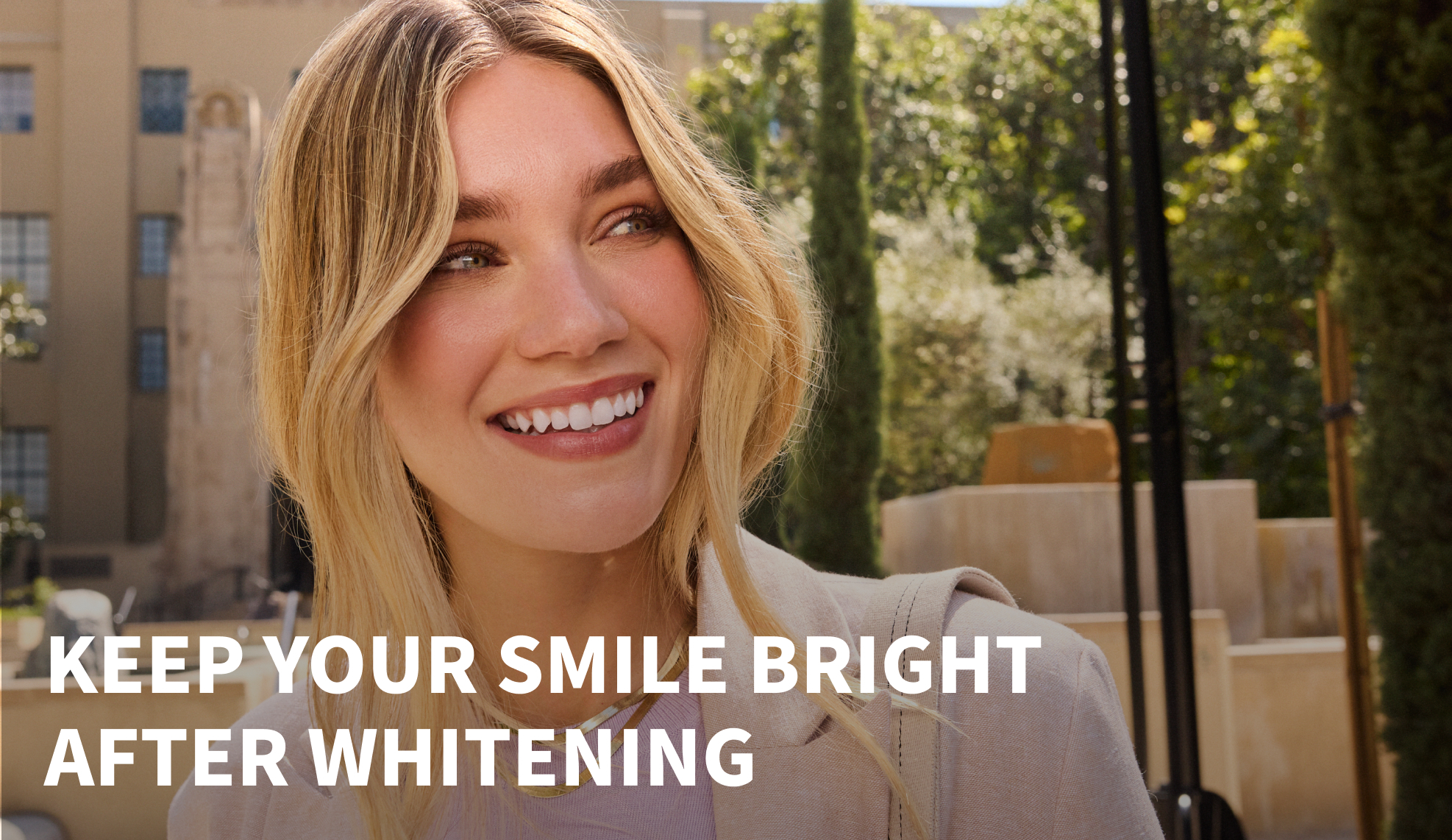


The last thing you want when you’ve invested in a brighter, whiter smile is losing your results. Smart habits, a bit of maintenance, and quality products can help you get the most out of your treatment.
How Can I Keep My Teeth Bright After Whitening?
Stick to a thorough oral hygiene routine. Brushing your teeth twice a day or after meals helps reduce surface stains that can accumulate from daily eating and drinking. According to the American Dental Association, brushing and flossing regularly can keep your teeth white and healthy.1 These habits help remove plaque and surface debris that accumulate daily and contribute to discoloration.
Make sure to select a whitening toothpaste that’s safe for daily use. Opalescence™ Whitening Toothpaste is designed to be gentle enough for everyday use2 while actively removing surface stains for whiter teeth.3 For those with more sensitive teeth, Opalescence Whitening Toothpaste Sensitivity Relief formula contains potassium nitrate, which has been proven effective at reducing sensitivity.4
Flossing is also critical. It cleans between teeth, removing particles and stains in places that your toothbrush may miss and where discoloration often accumulates.
Never Skip Professional Cleanings
Getting a dental cleaning every six months removes hardened plaque, or calculus, and polishes away deeper stains, especially in areas between teeth. These cleanings also keep your gums and enamel healthy, which supports better long-term whitening results.
What Foods and Drinks Should I Avoid to Prevent Staining After Whitening?
Certain foods and drinks like coffee, wine, tea, grape juice, and cola can stain your teeth. It was previously recommended that you avoid them while whitening your teeth, but recent studies show that diet does not interfere with the whitening process itself.5 So, you can keep drinking your morning coffee in between treatments and still see excellent results.
However, frequent exposure to acidic foods and drinks can soften enamel over time, making it more porous and more likely to absorb stains between whitening treatments.6 Rinsing with water after eating or drinking can help clear away the residue and neutralize acids that contribute to staining, but the best thing you can do to keep your smile bright is ensuring your enamel is healthy.
It’s also important to note the impacts aging has on our smiles. As we age, natural changes in our teeth can also affect how white they appear. Over time, enamel gradually thins and can make the underlying dentin, which is naturally darker, more visible.7 This, combined with everyday wear and surface stains, can cause teeth to look less bright even with good oral care. Protecting enamel helps maintain a brighter-looking smile at every stage of life.
How Does Tobacco Use Affect Teeth Whitening?
Tobacco stains can be some of the hardest to remove. Tobacco products contain tar and nicotine, which are known to cause deep, stubborn stains. The American Dental Association warns that smoking can shorten the longevity of your bright smile after a teeth whitening treatment.8
Reducing or quitting tobacco use not only improves your overall health but also extends the life of your whitening treatment.
Just remember not to eat, drink, or smoke while wearing whitening trays.*
Are There Maintenance Treatments to Prolong Whitening Results?
One of the best kept secrets for maintaining your whitening results is to keep extra trays on hand for touch-ups when needed. Many people reach their desired shade within five to seven applications of Opalescence Go™ whitening trays or Opalescence™ Go™ Advanced whitening trays. Both products come with up to 10 trays per kit, so it’s smart to save a few for future touch-ups.
Store unused trays and whitening gels according to the instructions in the box. When stored properly, they remain effective for up to 24 months. Touching up your smile before major events like weddings or vacations can help maintain the vibrancy of your results over time.
How Do You Keep Your Smile Bright Year-Round?
Maintaining your whitening results is simple when you’re consistent. Remember to:
- Brush and floss daily
- Watch out for staining foods and drinks
- Visit your dentist regularly
- Quit or reduce your exposure to tobacco products
- Consider saving some of your at-home treatments according to manufacturer recommendations to use for touch-ups
With the help of Opalescence™ teeth whitening products and a few smart habits, your bright smile can stay white and camera-ready year-round.
*See IFU for use directions and precautions.
References
1. American Dental Association. Teeth Whitening. MouthHealthy.org. Accessed April 6, 2025. https://www.mouthhealthy.org/all-topics-a-z/teeth-whitening
2. Data on file.
3. Dursun MN, Ergin E, Tekce AU, Gurgan S. Which whitening toothpaste with different contents is more effective on color and bond strength of enamel?. J Esthet Restor Dent. 2023;35(2):397-405. doi:10.1111/jerd.12968
4. Martins CC, Firmino RT, Riva JJ, et al. Desensitizing Toothpastes for Dentin Hypersensitivity: A Network Meta-analysis. J Dent Res. 2020;99(5):514-522. doi:10.1177/0022034520903036
5. Hardan L, Bourgi R, Flores-Ledesma A, et al. Is a White Diet Necessary for Tooth Bleaching Procedures? A Systematic Review and Meta-Analysis. Dent J (Basel). 2024;12(4):118. Published 2024 Apr 22. doi:10.3390/dj12040118
6. Lussi A, Carvalho TS. Erosive tooth wear: a multifactorial condition of growing concern and increasing knowledge. Monogr Oral Sci. 2014;25:1-15. doi: 10.1159/000360380. Epub 2014 Jun 26. PMID: 24993253.
7. Lamster IB, Asadourian L, Del Carmen T, Friedman PK. The aging mouth: differentiating normal aging from disease. Periodontol 2000. 2016 Oct;72(1):96-107. doi: 10.1111/prd.12131. PMID: 27501493.
8. American Dental Association. Teeth Whitening. MouthHealthy.org. Accessed November 26, 2025. https://www.mouthhealthy.org/all-topics-a-z/smoking